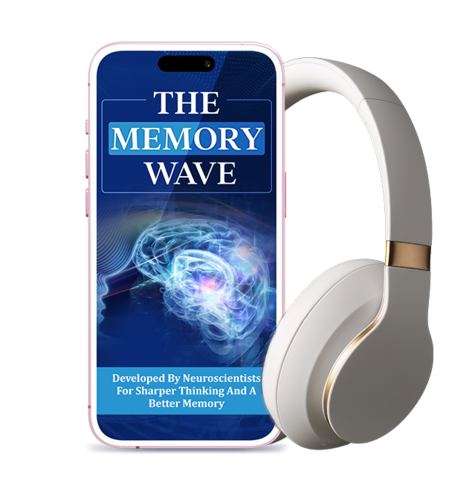
Understanding the listening approach
How Does The Memory Wave Work?
The Memory Wave is marketed around audio listening and brainwave-related ideas. To understand the product, it helps to separate the general concepts sometimes discussed in audio research from the specific features of this commercial program.
The Basic Listening Process
At its simplest, an audio program works by playing recorded sound through a compatible device. Depending on the product, a session may contain tones, music, ambient sound, spoken guidance or a combination. The product description and listening instructions should identify what the listener is expected to play and how to access it.
The exact technical contents of The Memory Wave should be confirmed from the seller’s current instructions. Do not assume a particular frequency, session duration or audio technique unless the seller clearly specifies it.
What Brainwave-Related Listening Means
Brain activity is often described using patterns that can be measured with specialized equipment. Some audio and relaxation approaches discuss rhythmic sound or auditory stimulation in relation to attention, relaxation or brain activity. These concepts are complex, and results can depend on the method, setting and people involved.
A general explanation of a brainwave concept is not the same as evidence that a particular recording changes brain activity in a meaningful way or improves everyday memory. Product-specific claims require product-specific evidence.
A listening stimulus is the sound presented to the listener.
A measured brain response is a research outcome, not automatically a real-world benefit.
A commercial claim should be checked against the methods and results of relevant studies.
How to Approach a Listening Session
Choose a comfortable, quiet place where you can listen without needing to monitor your surroundings constantly. Use a compatible device and follow the seller’s instructions for volume and playback. Do not listen while driving, cycling in traffic or operating machinery.
If the seller recommends headphones, use comfortable equipment at a moderate volume. Stop if the audio causes discomfort, headache, dizziness or hearing irritation.
What the Product Description Can and Cannot Tell You
The product page can explain what the seller intends to provide: the audio files, access instructions, suggested listening routine and any accompanying guides. Those are practical product details. Statements about memory, focus or brain performance are outcome claims and need a different level of evidence.
Look for published research that directly tests the finished product at the stated dose and duration. Research on one ingredient, one sound pattern or a different intervention cannot automatically be transferred to this product.
Questions to Ask Before Buying
A transparent description should make it possible to understand how the audio is delivered, how long sessions last, what equipment is needed and what support is available. If the product page is unclear, ask the seller before purchasing.
What is the exact audio format and file type?
How many sessions are included, and how long is each one?
Can the audio be replayed, downloaded or streamed?
Are headphones required or simply optional?
Where can a buyer find technical support and refund instructions?
The Practical Takeaway
The product’s basic mechanism from a user perspective is listening to digital audio according to the seller’s instructions. Any stronger claim about measurable cognitive improvement should be evaluated separately and should not be inferred from the fact that audio can influence listening experience or attention.
THE MEMORY WAVE
Review the current product details
Check the product description, digital access details, final checkout total and written guarantee terms before ordering.